
Today the Texas Hill Country is a popular destination for many throughout Texas, the nation, and even the world. The scenic hilltops, slow meandering rivers, meadows and century oaks the fill the landscape make it beautiful countrysides reminiscent of European landscapes. On top of that, the rich history of German immigration and settlement of this land brings another European flare from the architecture to antique furniture to even still hearing strange dialects of German being spoken. Lastly, on the southern and eastern edges of the Hill Country are the cities of San Antonio and Austin which in recent decades have grown considerably and are now the 7th and 10th largest cities in the United States, respectively.
Natural beauty, rich culture, and proximity to cities have made the Hill Country a popular destination for those seeking a small town and countryside lifestyle whether it be for a weekend or as a permanent home and every case between. Our problem?
There are a lot of people who want this dream. These quaint, sleepy towns have grown and with that offer more services and amenities making life in the country more convenient. However, these little towns were not and still are not prepared for the influx of new residents and tourists. Unprepared and an ad hoc approach, the attainment of this dream seems to me a bit like the stories of the Sooner Rush in the late 19th century in Oklahoma where in order to get your land, you had to be quick and resulted in hastiness. The result for us here in the 21st century Hill Country is a term called Land Fragmentation. Simply put, it is the law of Entropy applied to land. You start with a large tract of land, demand for the Dream builds, the reality that not everyone can afford the scarcity of a property, so a single property is created into several different properties. As populations grow, demand grows, and as towns are unprepared to house the growth, more properties are divided to house the demand. At the surface, no problem exists. More and more are able to obtain the Dream.
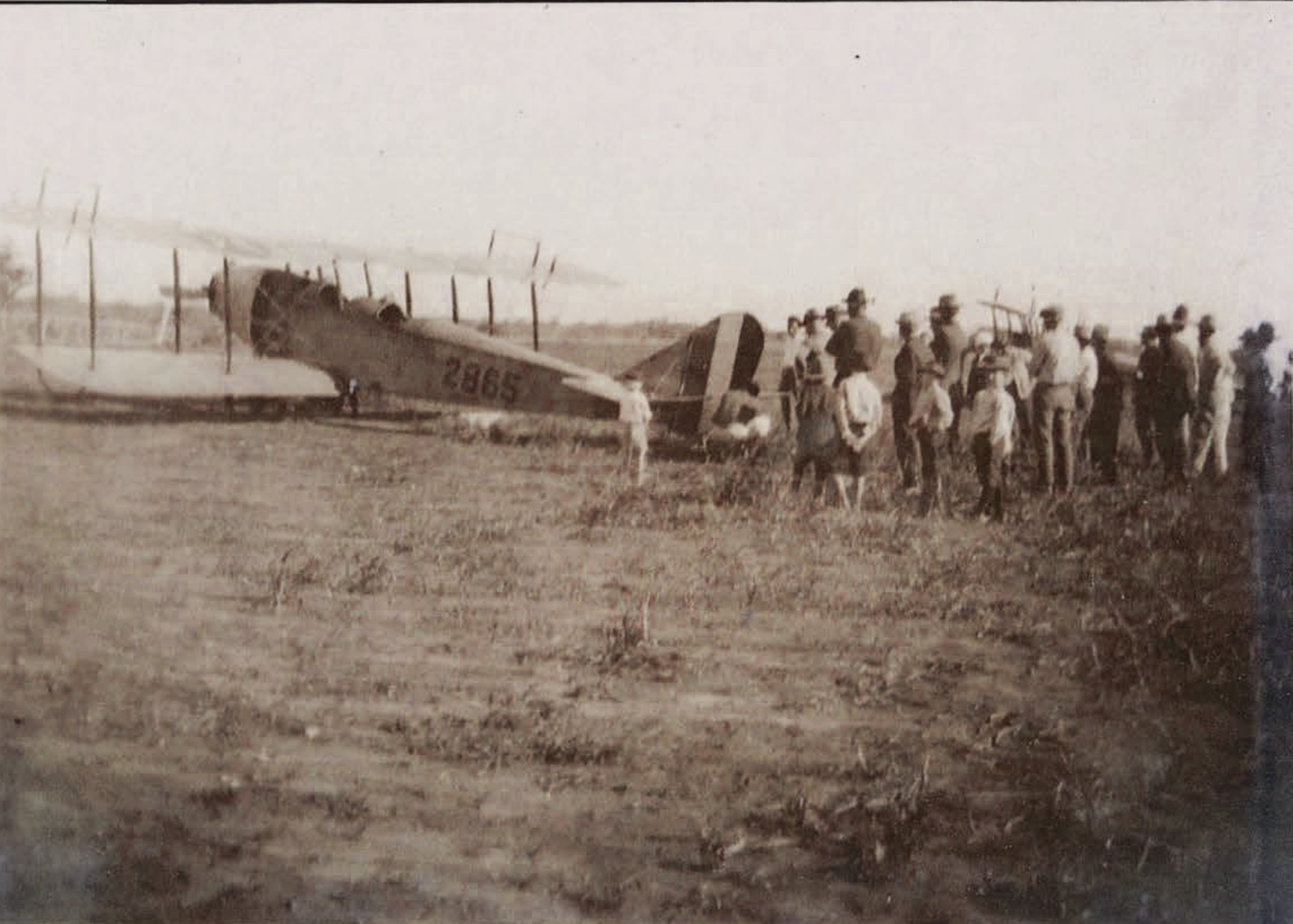
In this world, it is never so simple however. As Land Fragmentation occurs more water wells are drilled, more roofs and impervious surfaces are constructed, agrarian practices dwindle away. The problems then become water, ecology, and culture.
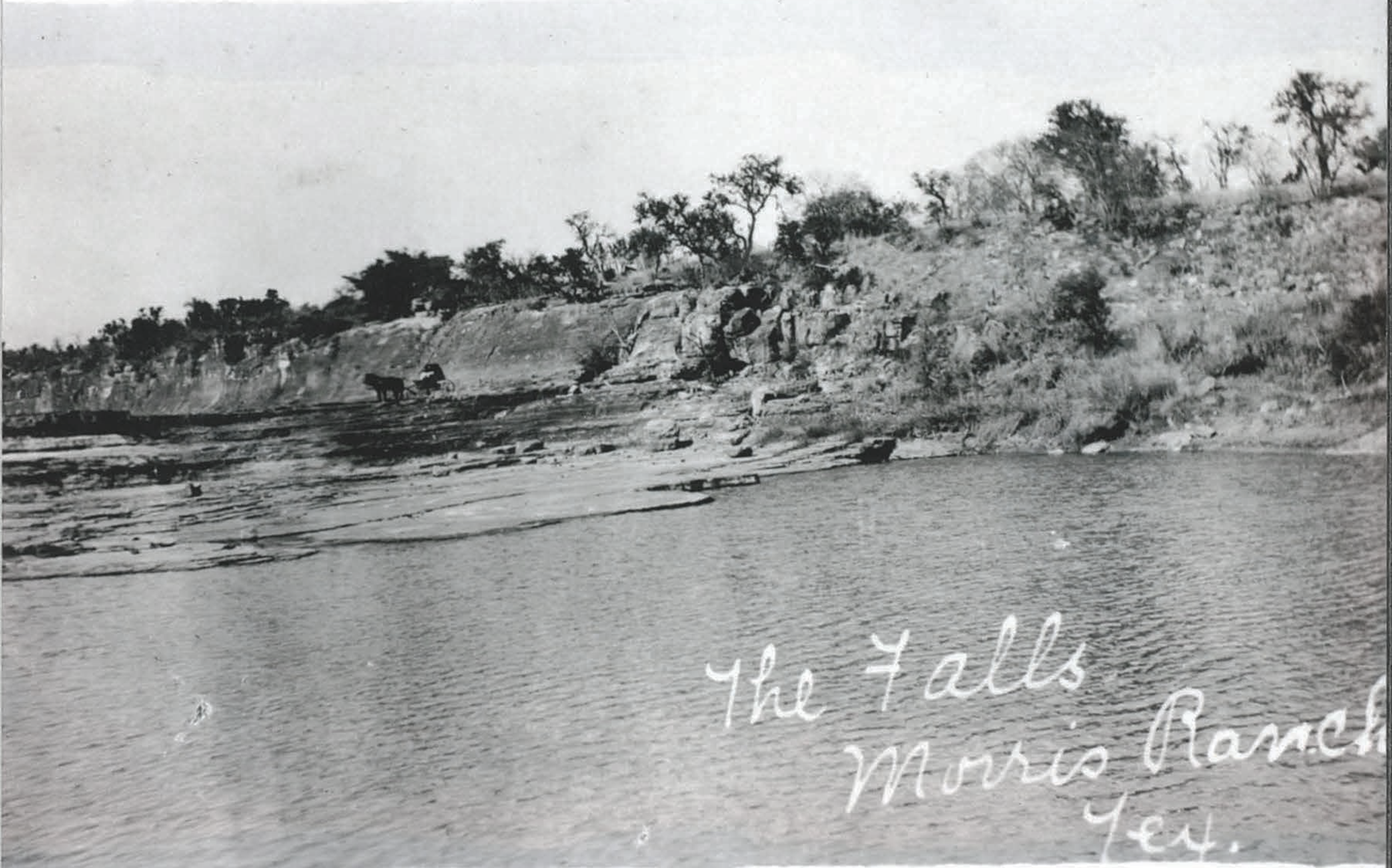
In drought plagued Texas, water is a resource that every year becomes closer in value and significance that oil has made. Once flowing streams are now dry and the past few years we have seen rivers like the Pedernales go dry for the first time in recorded history. Wells that sustain people’s houses now go dry.
A nuance in property tax statute that is meant to ease the burden of the largest form of taxation in the state and the main source of funds incentivizes landowners to practice agricultural and wildlife management. However, as you can ask any commercial rancher or farmer, the business is about persistent hard work, money, and scalability to make it happen well.
As properties become smaller in size, the aspect of scale deincentivizes the worth of putting the work and money into a sustainable ag operation. The result is that the common landowner will have cattle on their property. That cattle operation very often leads to overgrazing which affects the types of grasses grown and the composition of the soil. This leads to bare ground, runoff during rainstorms, and erosion. The ecology of this land is changing forever.
Lastly, you might wonder what happens as land prices increase due to demand and when the ranching family who settled that 1,000 acres in 1878 while the comanches were still running around. The truth is that they leave. Either to farm elsewhere or they stopped farming decades ago and the new generations do not have the generational knowledge and desire to farm. As the land fragments, so do the people. This leads to those cultural rituals and knowledge that are passed from mother to daughter or father to son and are then passed to the few who move in to assimilate to slowly whither into the void.
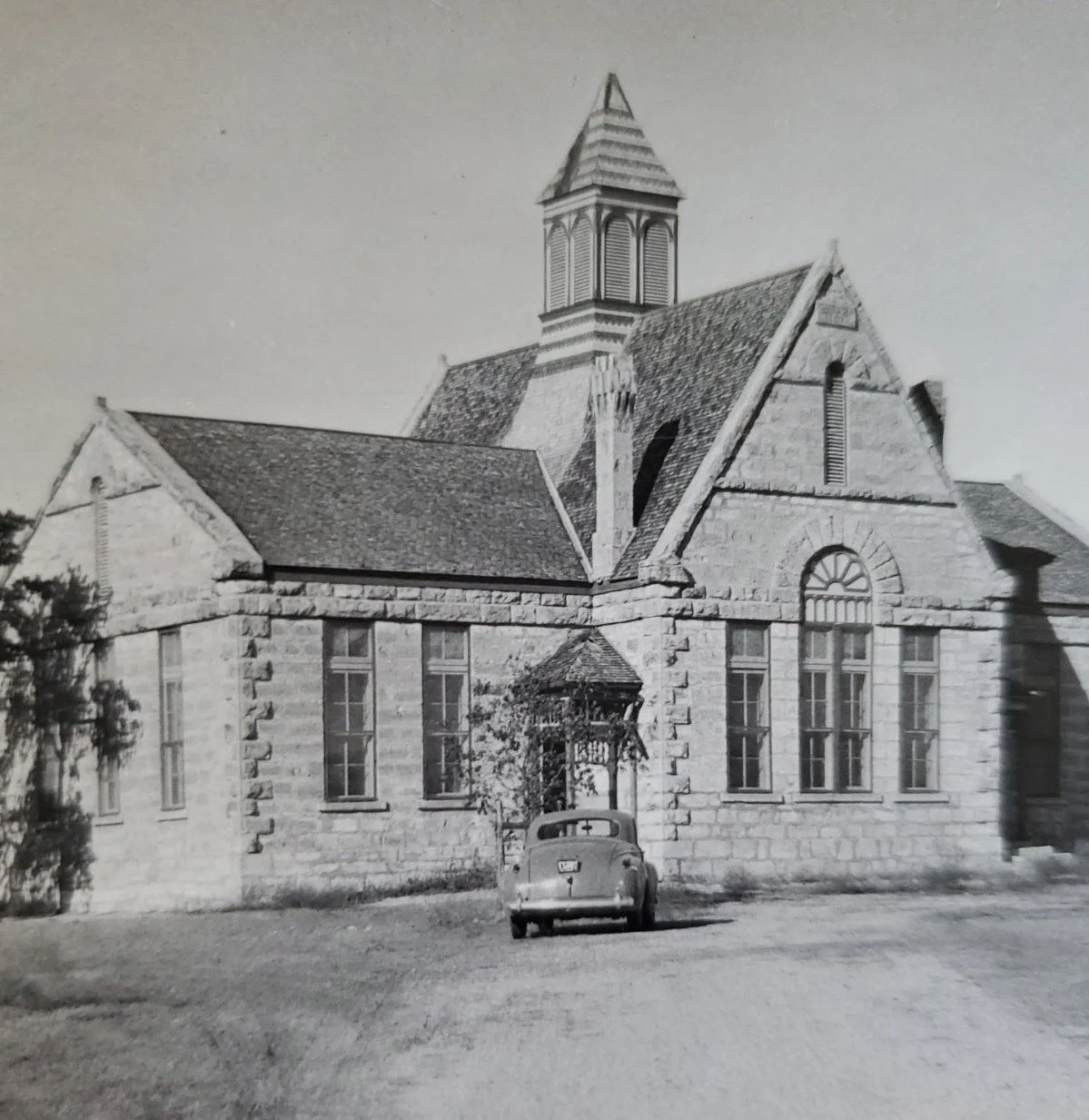
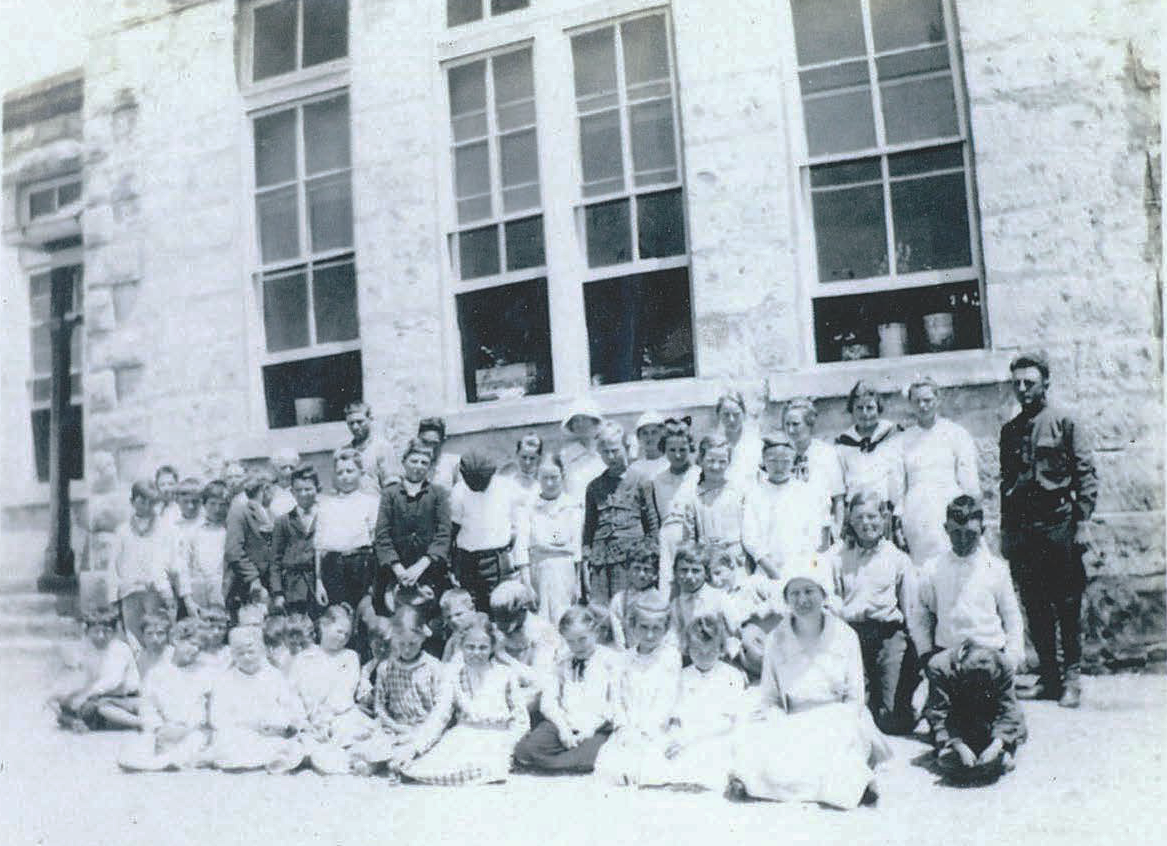
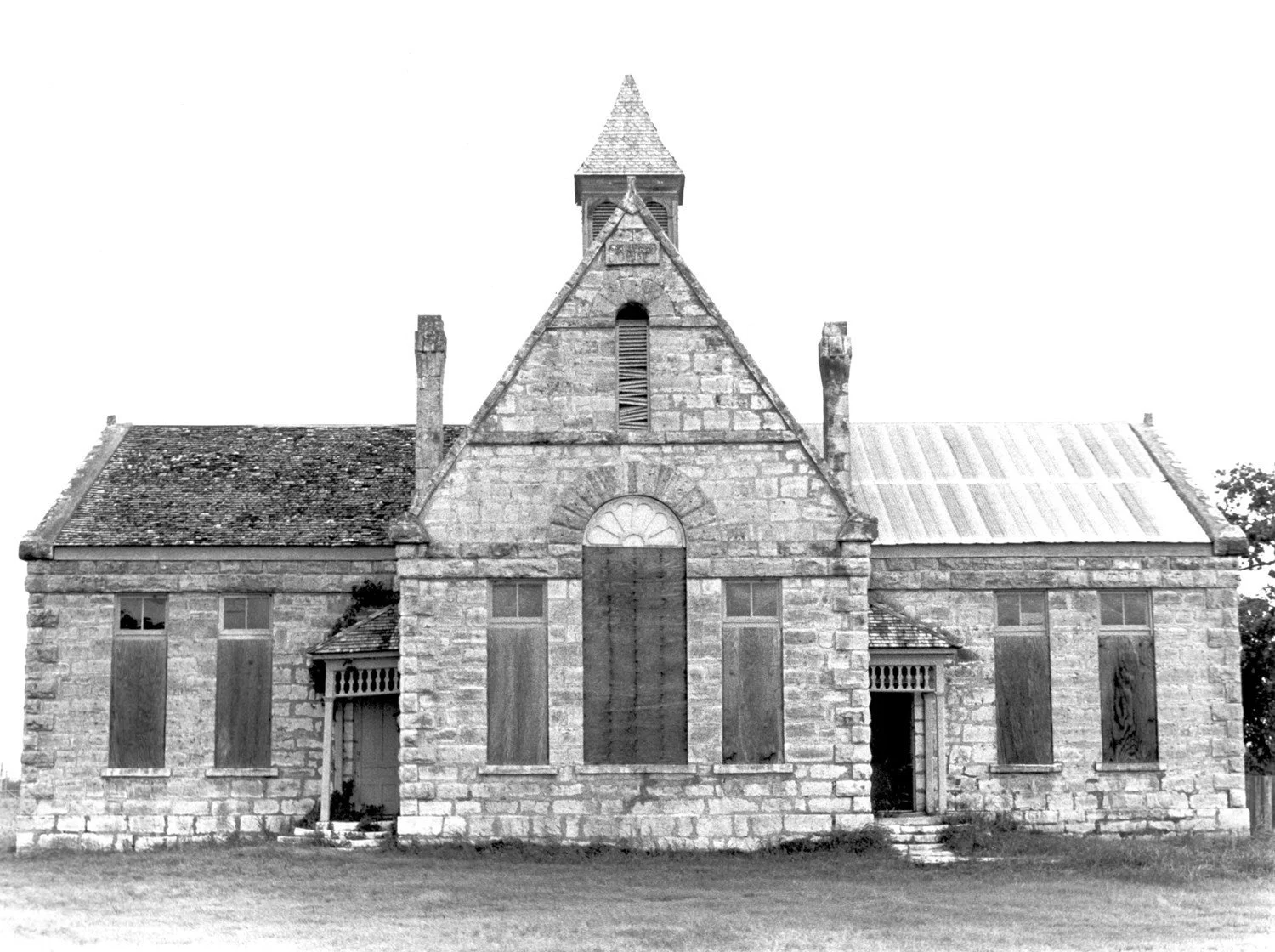
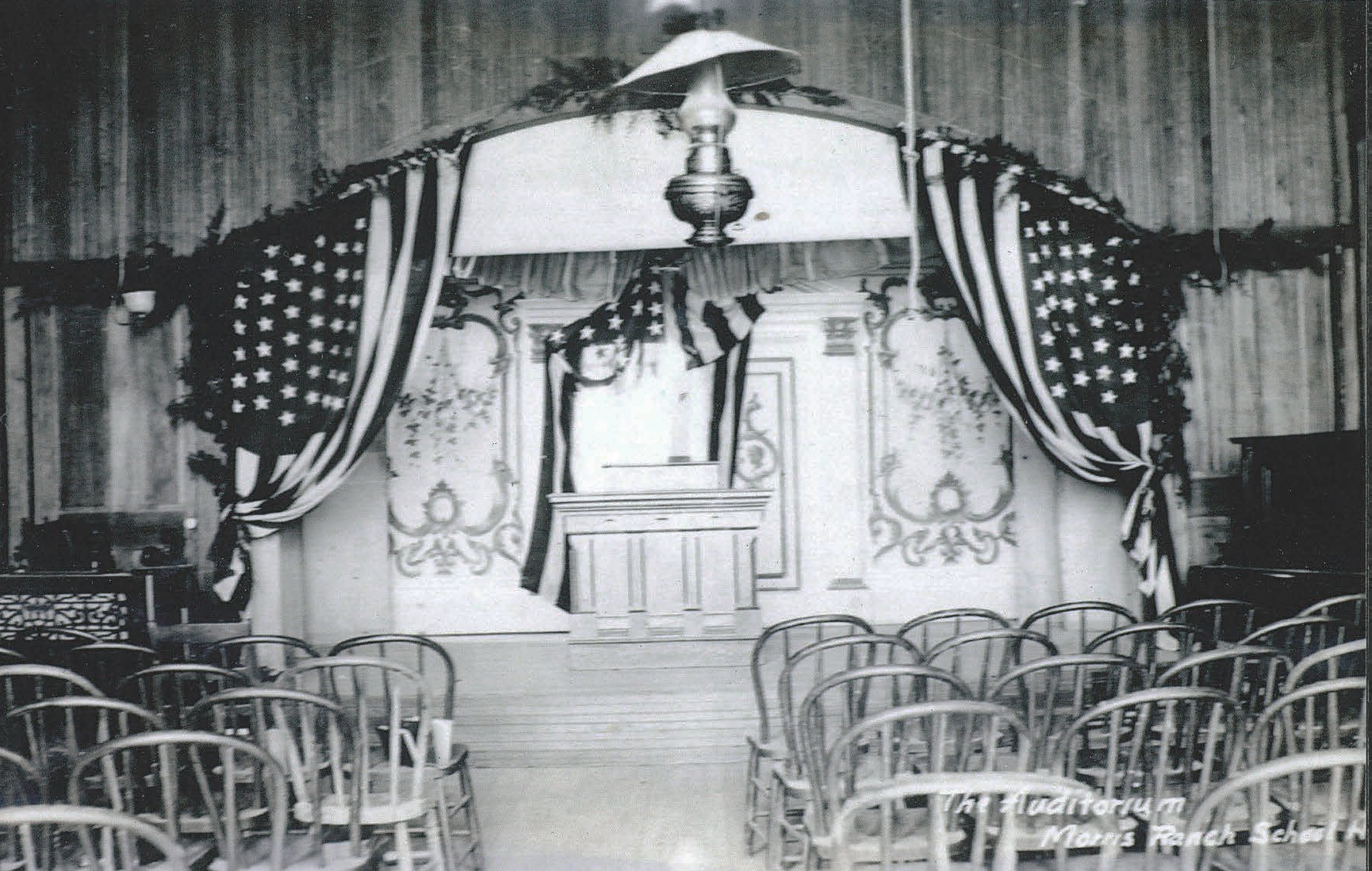
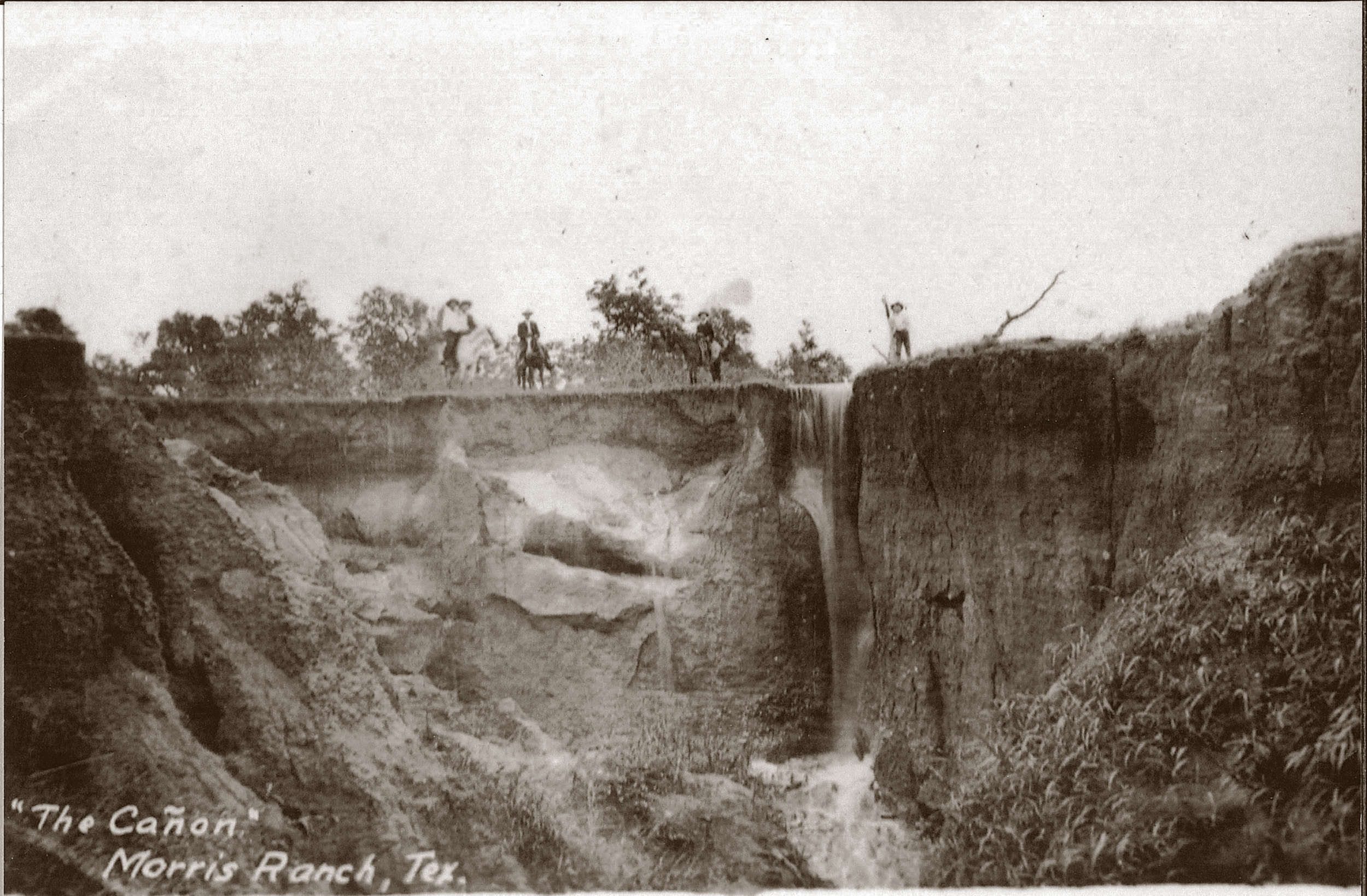
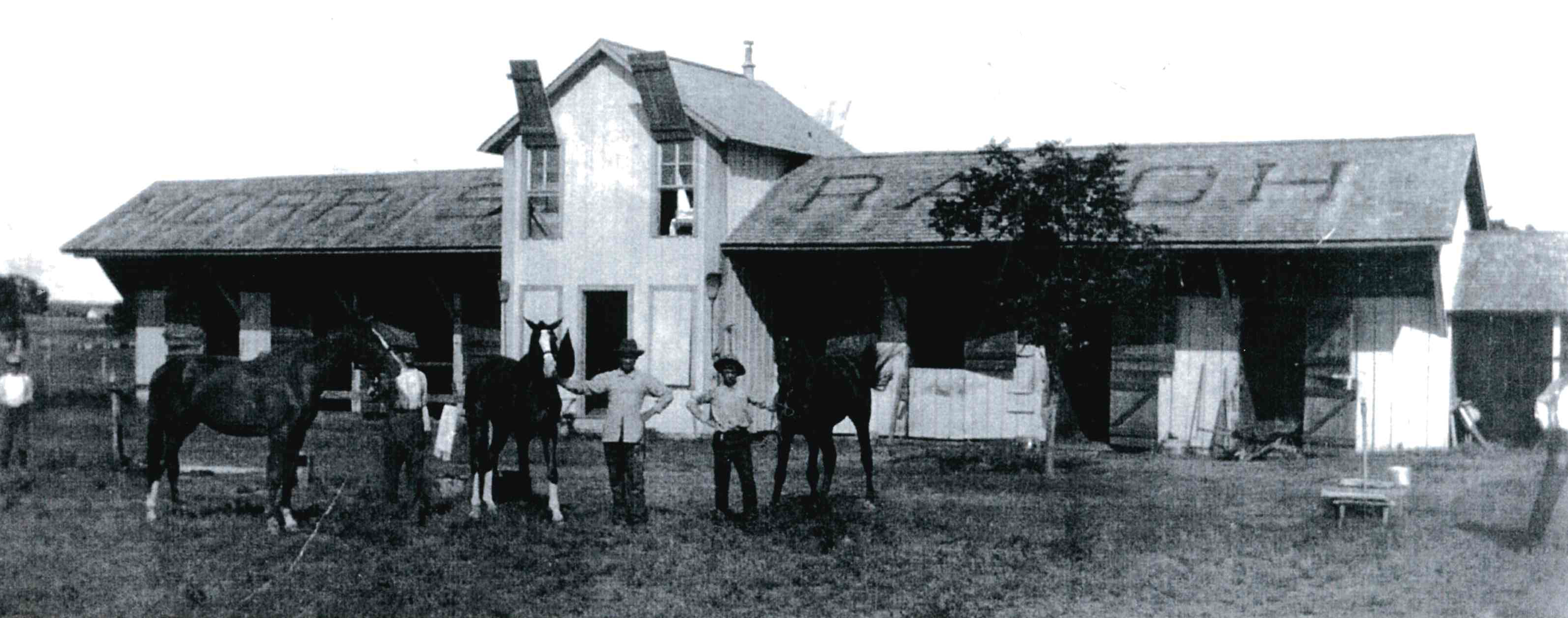
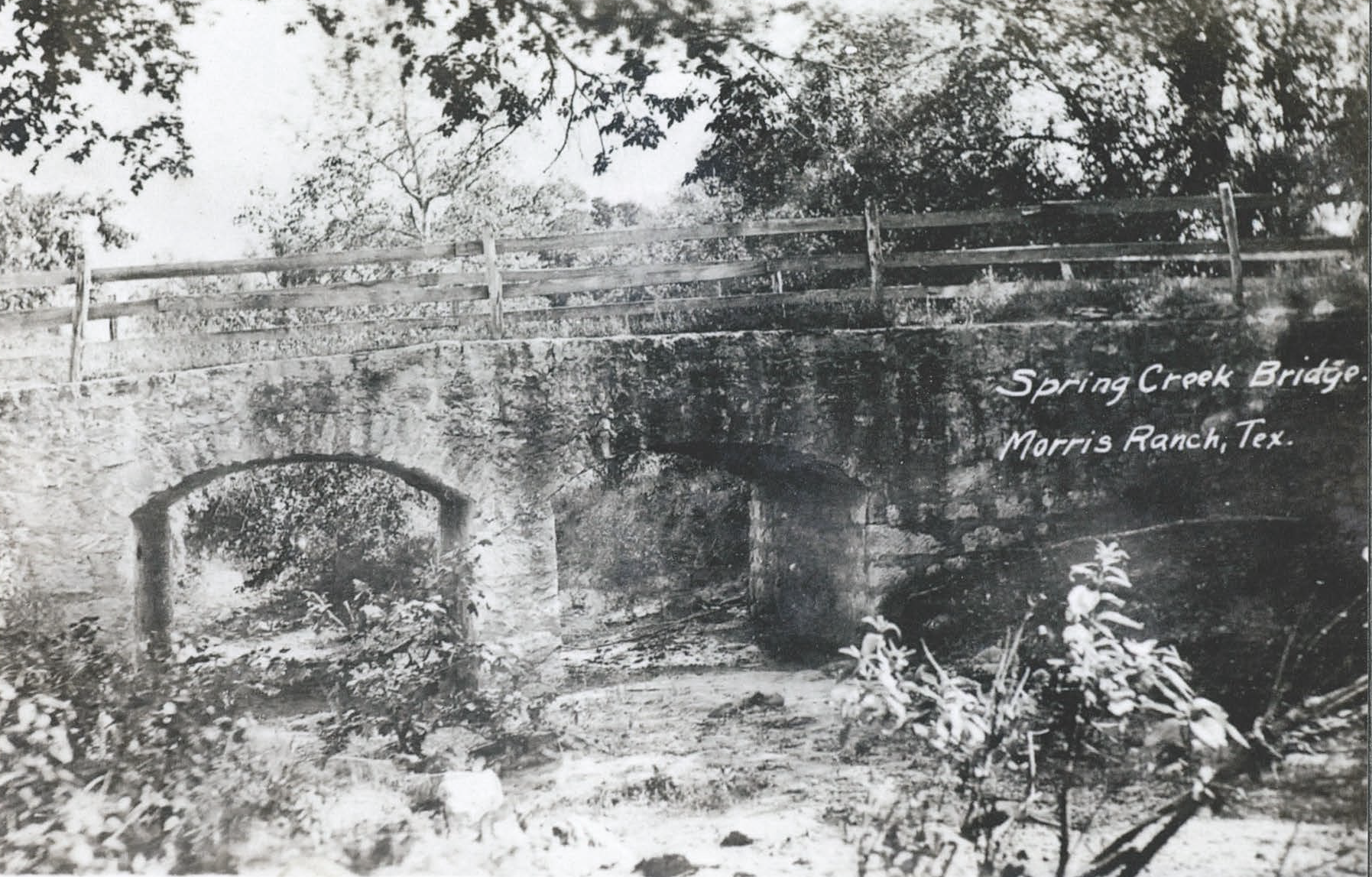
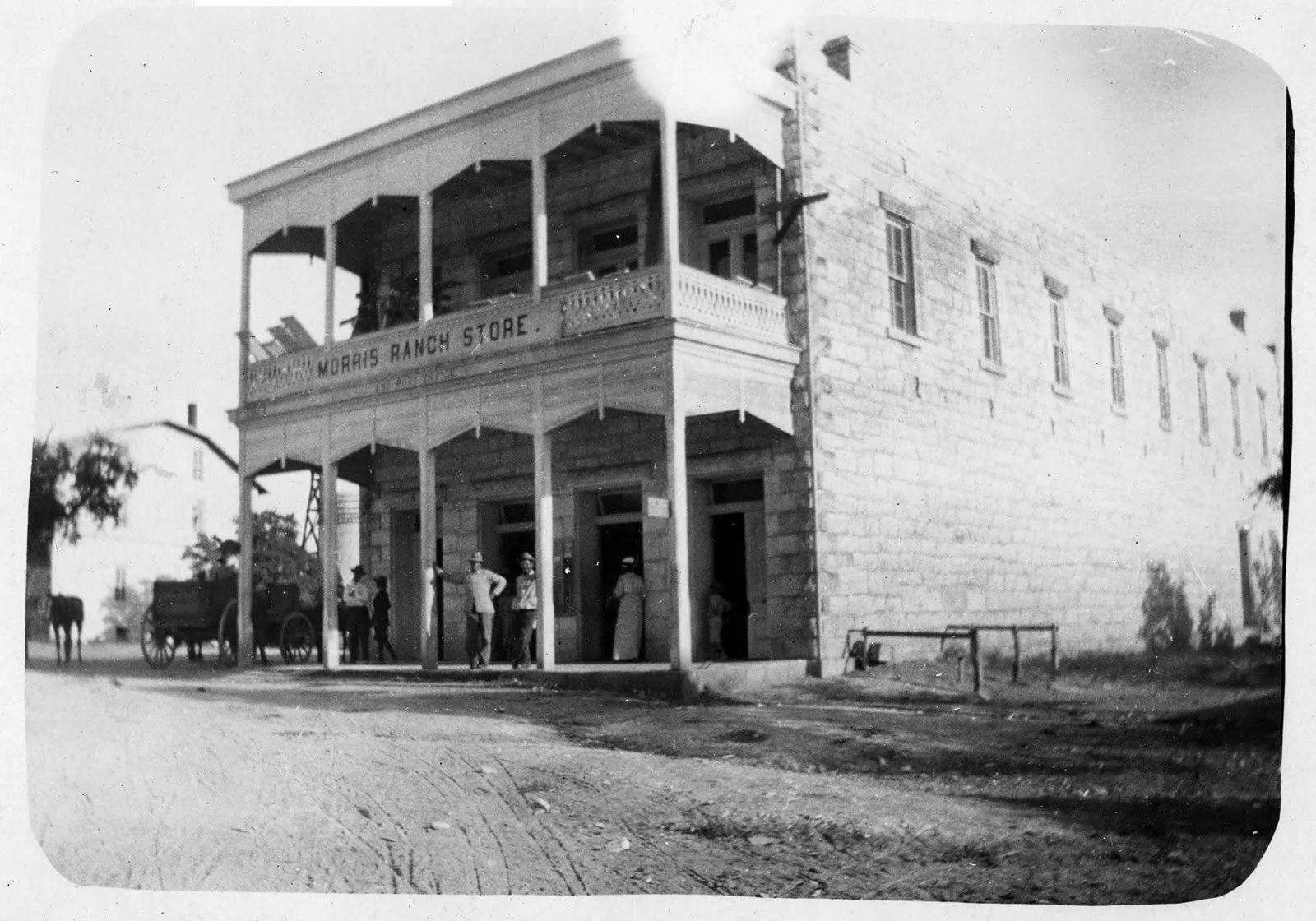
In understanding the history of Morris Ranch from the founding by the purchase of 23,640 acres in 1856 to today, this script as I have described almost perfectly applies. The once grand and productive ranch featuring over 200 buildings, a race track, a cotton gin, a flower mill, a general store, and a community are all but gone. Our mission is to restore what little is left of the central part of the ranch and then to preserve it for generations to come.
At the same time, by doing so, we should not be against the Dream for so many, but rather we should embrace the dream and incorporate it into the mission of preservation. This in unison is what sustainability means for us and is our vision for this land and community and is our way of showing that the rest of the Hill Country does not have to choose the Dream over the yearning for Yesterday.
