
From Runaway Jockey to Racing Royalty: The Extraordinary Journey of Max Hirsch
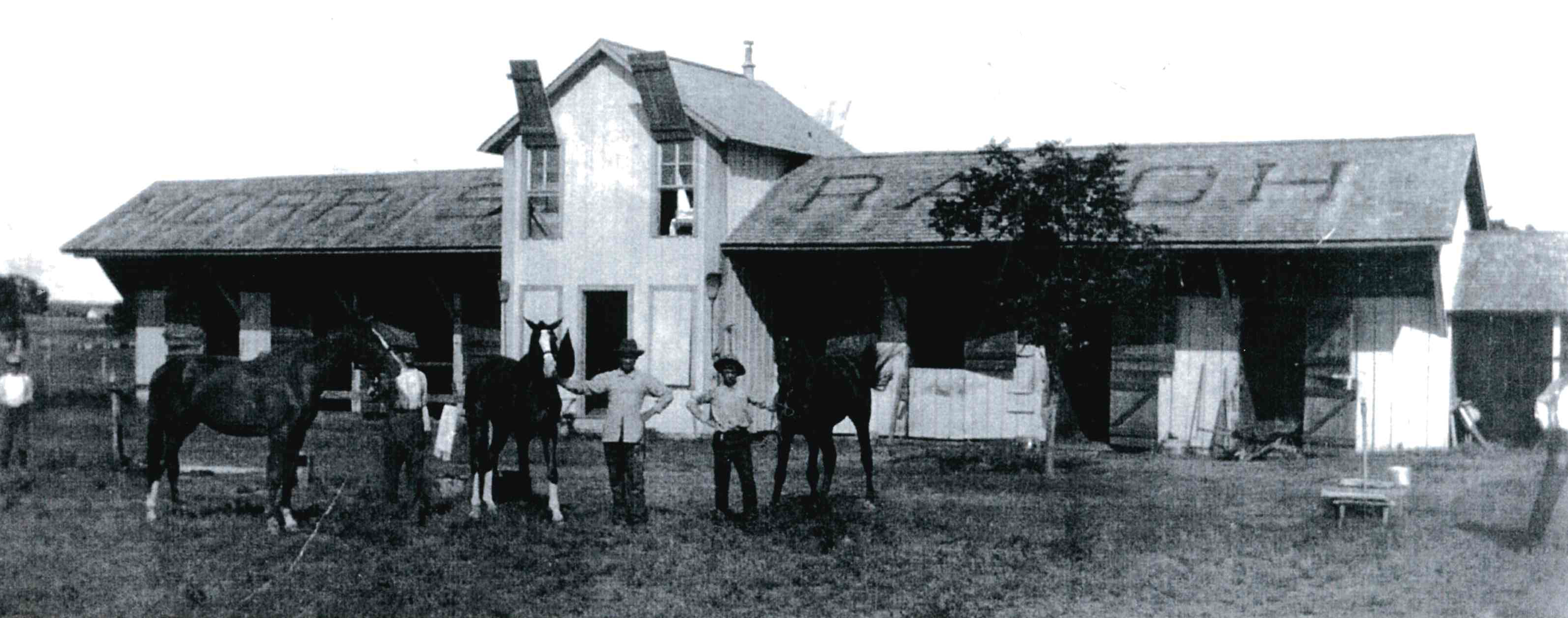
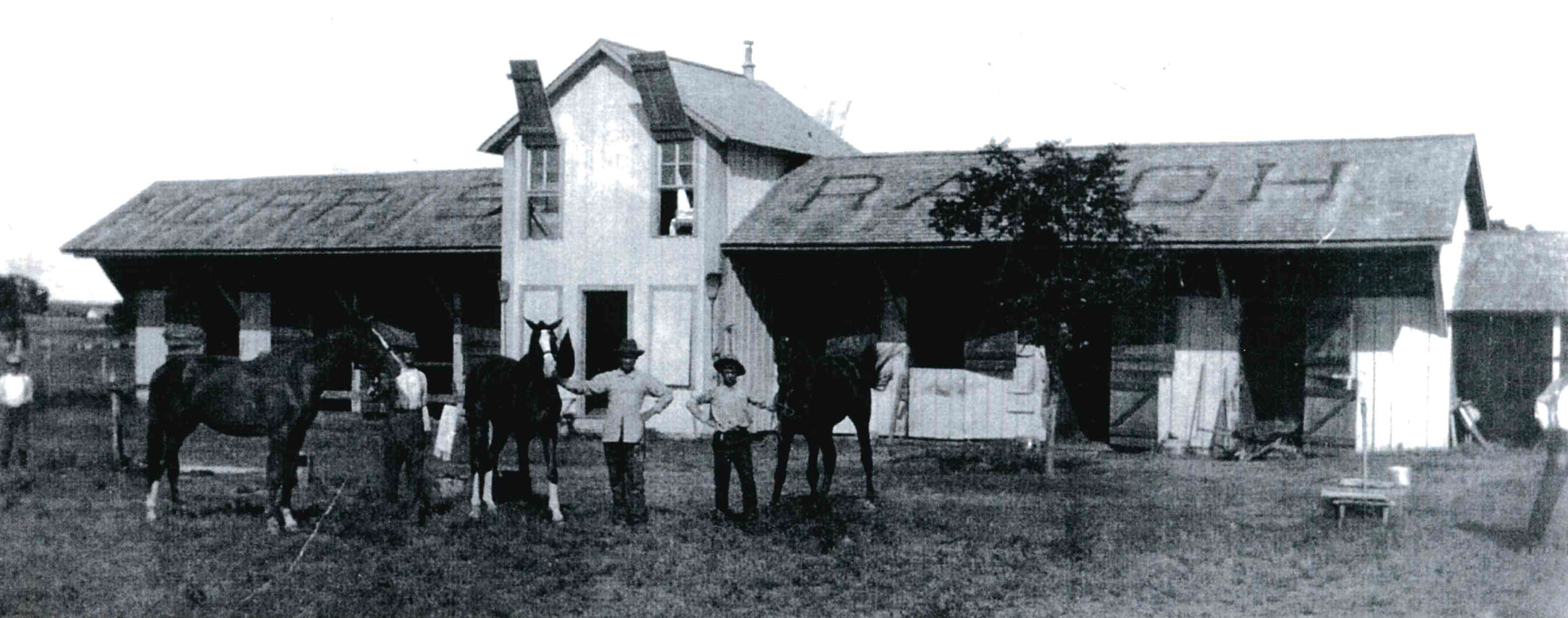
The Maverick of Morris Ranch
Maximilian Justice “Max” Hirsch was born at the historic Morris Ranch in 1880. As a young boy, he got his first taste of the equine world by working directly for the ranch as a jockey. However, Hirsch possessed an untamable ambition that a single Texas ranch could not contain.
In 1894, at just 14 years old, the daring youth made a life-altering choice: he stowed away on a train transporting Morris Ranch thoroughbreds from the neighboring town of Kerrville all the way to the East Coast. When the ranch operators discovered the young runaway, they chose to keep him on, continuing his employment as a jockey on the eastern racing circuit. Nature eventually intervened at the age of 19 when the ranch fired him because he grew “too big” to meet the strict physical demands of a jockey.
What initially looked like a devastating, career-ending setback was actually the catalyst for one of the most illustrious and decorated horse training careers in American history.
The Jockey Years: By the Numbers
Before stepping into his legendary role on the backstretch, Hirsch left a substantial mark on the track as a rider, and the numbers tell the story plainly: he competed in over 1,100 professional races during his formative youth, secured 123 victories in the irons before his expanding frame forced his retirement, and officially transitioned into training around 1900 to 1902, saddling his very first winner in New Orleans.
Conquering the Triple Crown: The King Ranch Era
Hirsch’s true genius emerged when he partnered with the legendary King Ranch Stable in the 1930s. He became a titan in the American Classic races, racking up a spectacular nine victories across the Triple Crown series.
The Triumph of Assault
His crowning achievement arrived in 1946 with a horse affectionately known as “The Club-Footed Comet,” Assault. Assault had suffered a horrific foot deformity as a weanling after stepping on a surveyor’s stake. Proving his unparalleled horsemanship, Hirsch engineered a custom steel spring that was inserted directly into the horse’s shoe, allowing the animal to run smoothly without stumbling. Under Hirsch’s meticulous care, Assault swept the Kentucky Derby, Preakness, and Belmont Stakes to capture the coveted 1946 Triple Crown.
A Lasting Family and Historical Legacy
Max Hirsch built a multi-generational racing dynasty alongside his career. His daughter, Mary Hirsch, carved out her own place in history as the first woman in the United States to be granted a trainer’s license by the Jockey Club, and his son, William J. “Buddy” Hirsch, successfully succeeded his father as the primary trainer for King Ranch and was eventually voted into the Hall of Fame alongside him.
Hirsch was enshrined in the National Museum of Racing and Hall of Fame in 1959. He remained active in his beloved profession until his final hours; on April 2, 1969, his filly Heartland won the feature race at Aqueduct. Hirsch passed away the very next day at the age of 88, having dedicated over seven decades of his life to the sport.
Our modern understanding of 19th-century Texas ranching remains deeply tied to his memory. Historians owe much of the first-person written history of the Morris Ranch to Hirsch, who vividly described the ranch’s operations in two letters sent back to a local student in 1962. He proved that he was a master at making history on the racetrack and a dedicated keeper of it off the field.