
The Stewardship of the Morris Ranch Schoolhouse

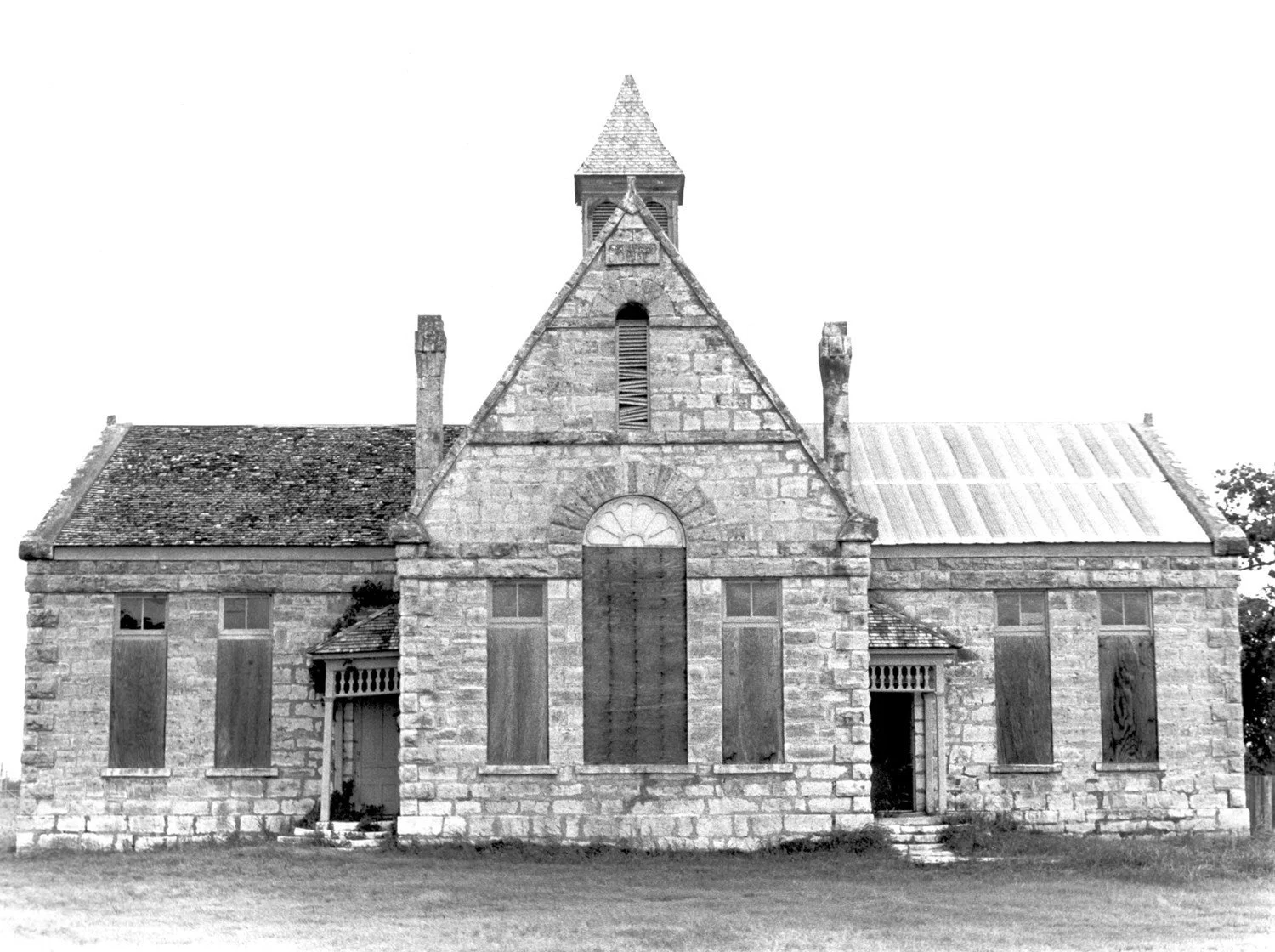
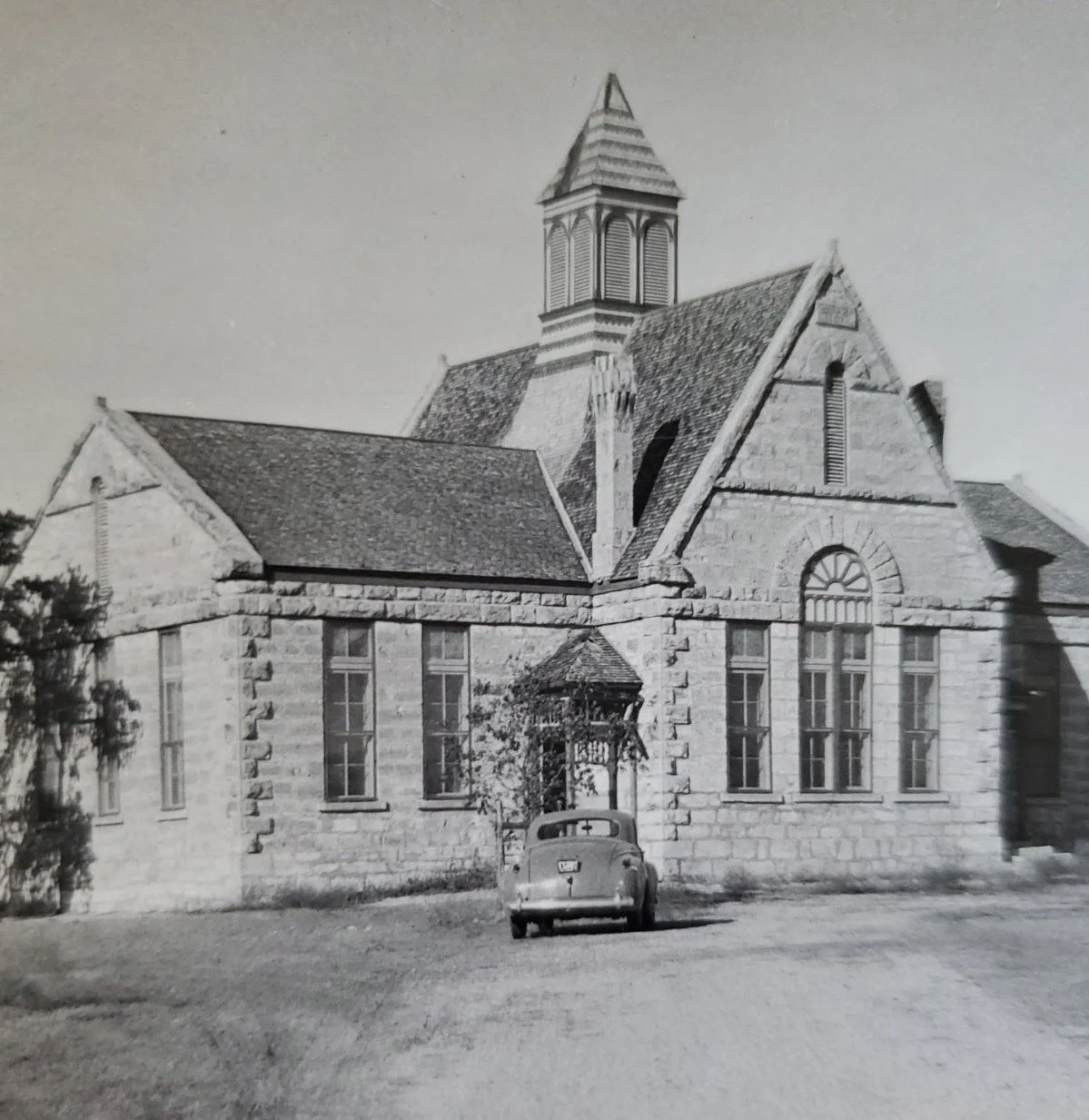
With the closure of the Morris Ranch School in 1962, the building was left without a purpose. For the next fifteen years, the building stood as an idle monument to a bygone pioneer era, a time when students commuted by horseback before paved roads mapped out the Texas Hill Country. Left without a formal purpose, the building became a temporary gathering spot for local farmers and ranchers to host anything from community meetings to dances and celebrations.
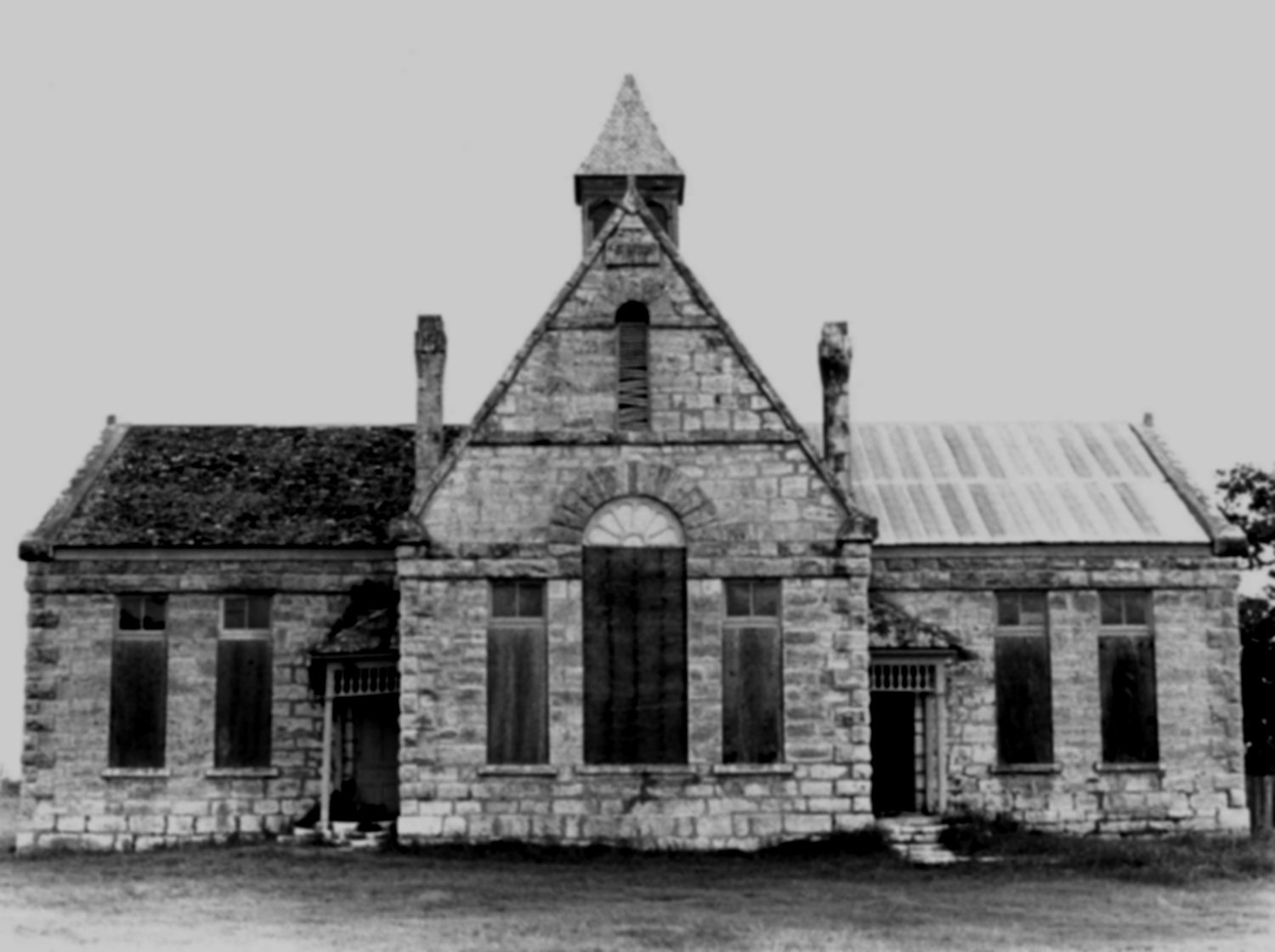
By the late 1970s, the schoolhouse had degraded into a state of severe neglect, marked by boarded-up windows and a crumbling interior, a stark reality preserved in the archival photographs of the building.
It was at this critical crossroads that Frances Billups entered the story, turning a restoration mission into a masterclass in architectural stewardship.
A New Vision for the Heard Ranch
Frances Billups was no stranger to the landscape; she had recently returned to the Fredericksburg area after inheriting 14 distinct ranch properties under the umbrella of the historic, 10,000-acre Heard Ranch. Where others might have seen a liability in the decaying schoolhouse, Frances saw an anchor.
She envisioned the schoolhouse as the headquarters for the Heard Ranch. Her goal was to breathe life back into its empty rooms, transforming the building into a central gathering spot where the daily pulse of ranch life could thrive.

The Philosophy of “Molding to the Building”
True restoration requires a rare form of humility. It demands that the architect or visionary submit to the existing soul of a structure rather than bending it to modern whims. Frances understood this inherently, and her approach wasn’t about alteration, but careful accommodation: mold the vision to the building, rather than modifying the building to your whims.
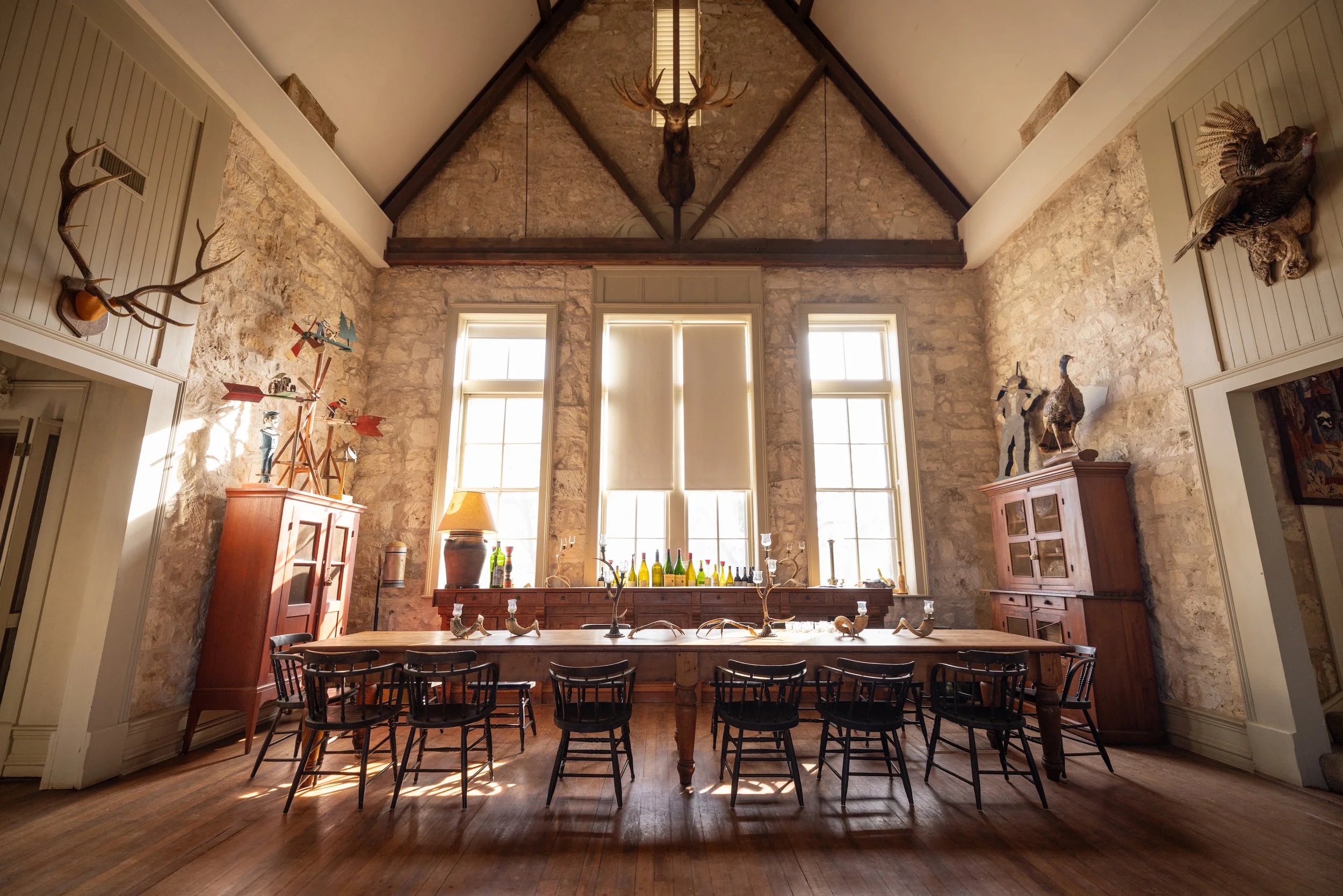
Under this guiding principle, the spatial design of the schoolhouse remained remarkably intact. The lower-floor classroom, once featuring simple dirt floors, was thoughtfully converted into a functional, character-rich kitchen. Expansive public-school rooms transitioned seamlessly into inviting living spaces, and the upper rafters and attic spaces were repurposed into cozy bedrooms.
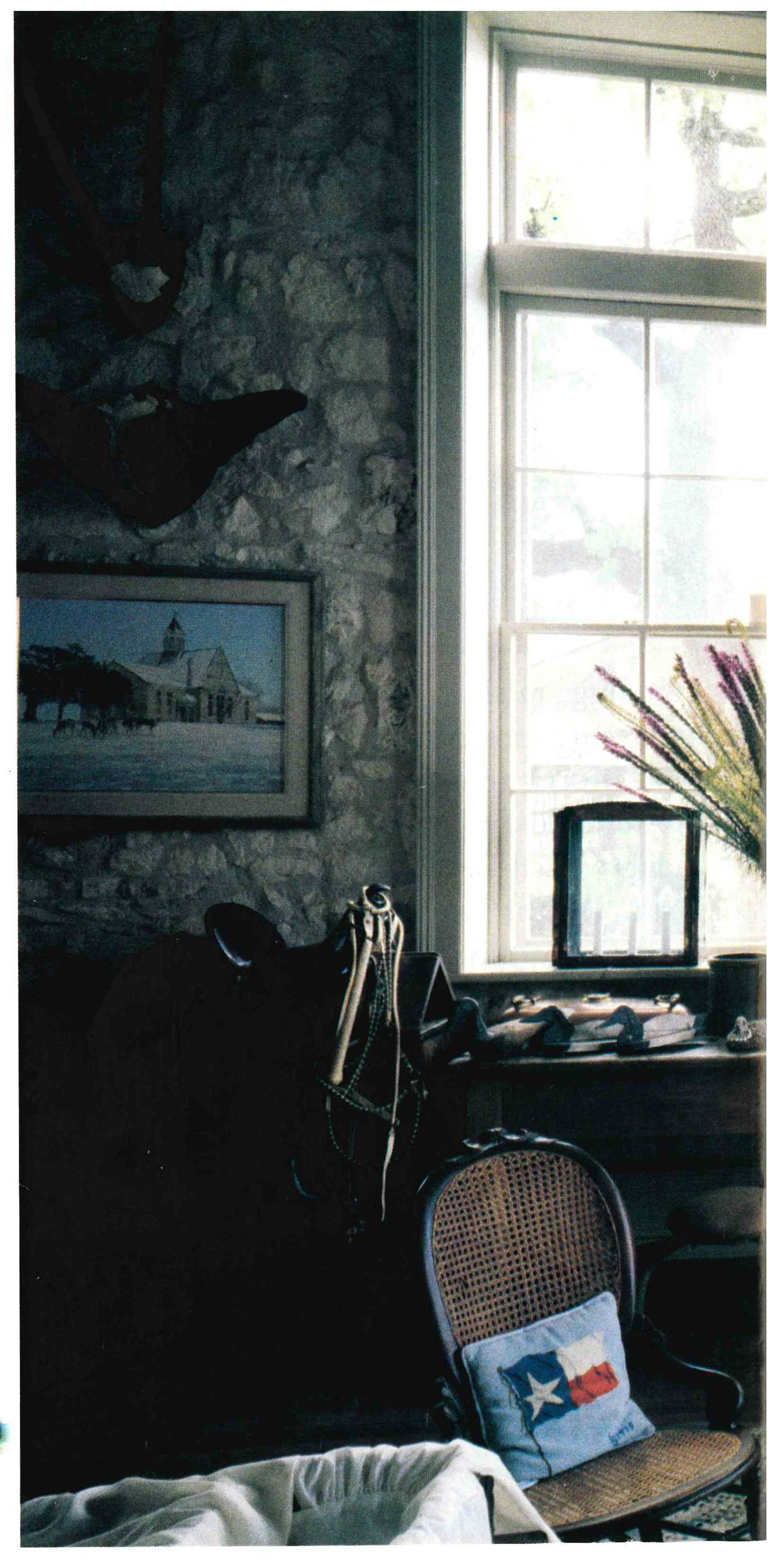
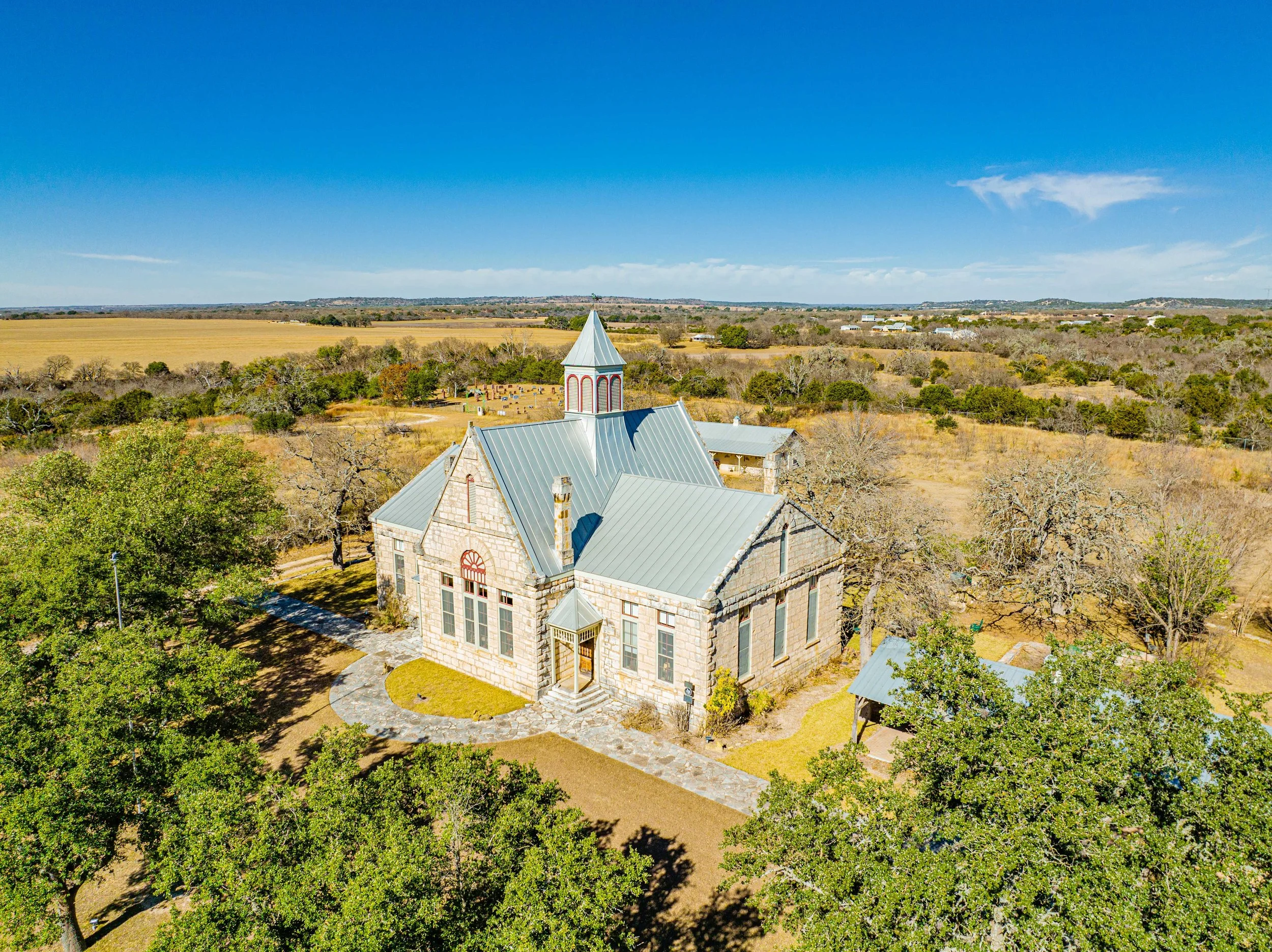
This meticulous commitment to “restoring rather than replacing” extended to the smallest mechanical details. Instead of tearing out old fixtures, the restoration preserved the original windows, complete with their period-correct systems of ropes, springs, and counterweights. Because of this unwavering authenticity, the schoolhouse earned its rightful place on both the State and National Registers of Historic Places, permanently safeguarding its structural legacy.

Cultivating a Home
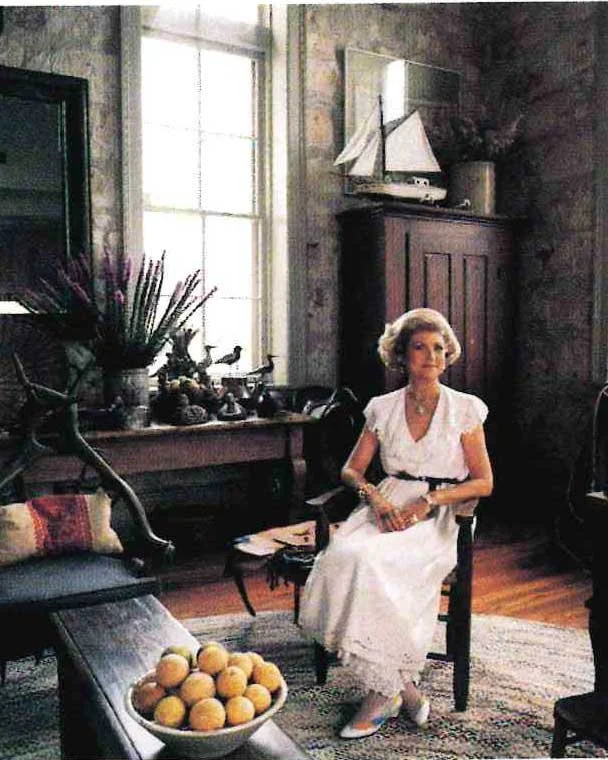
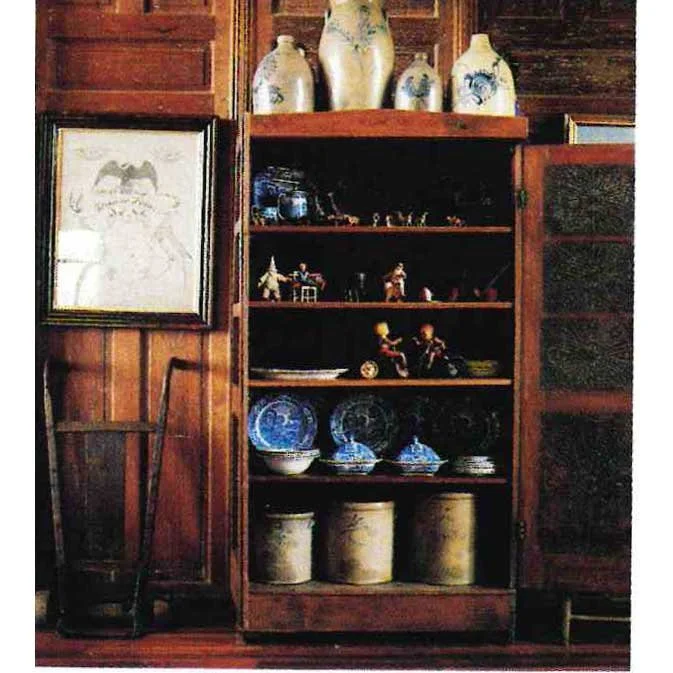
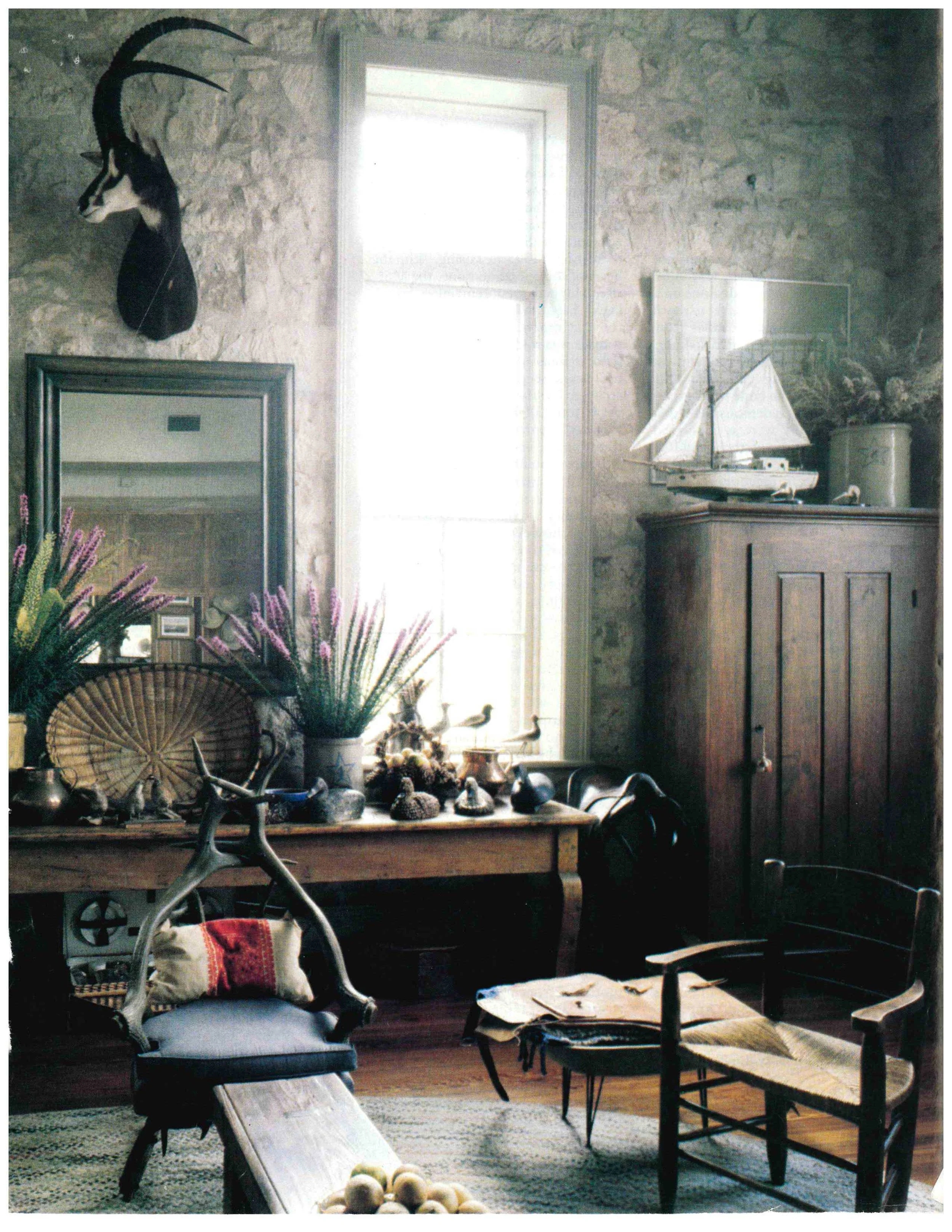
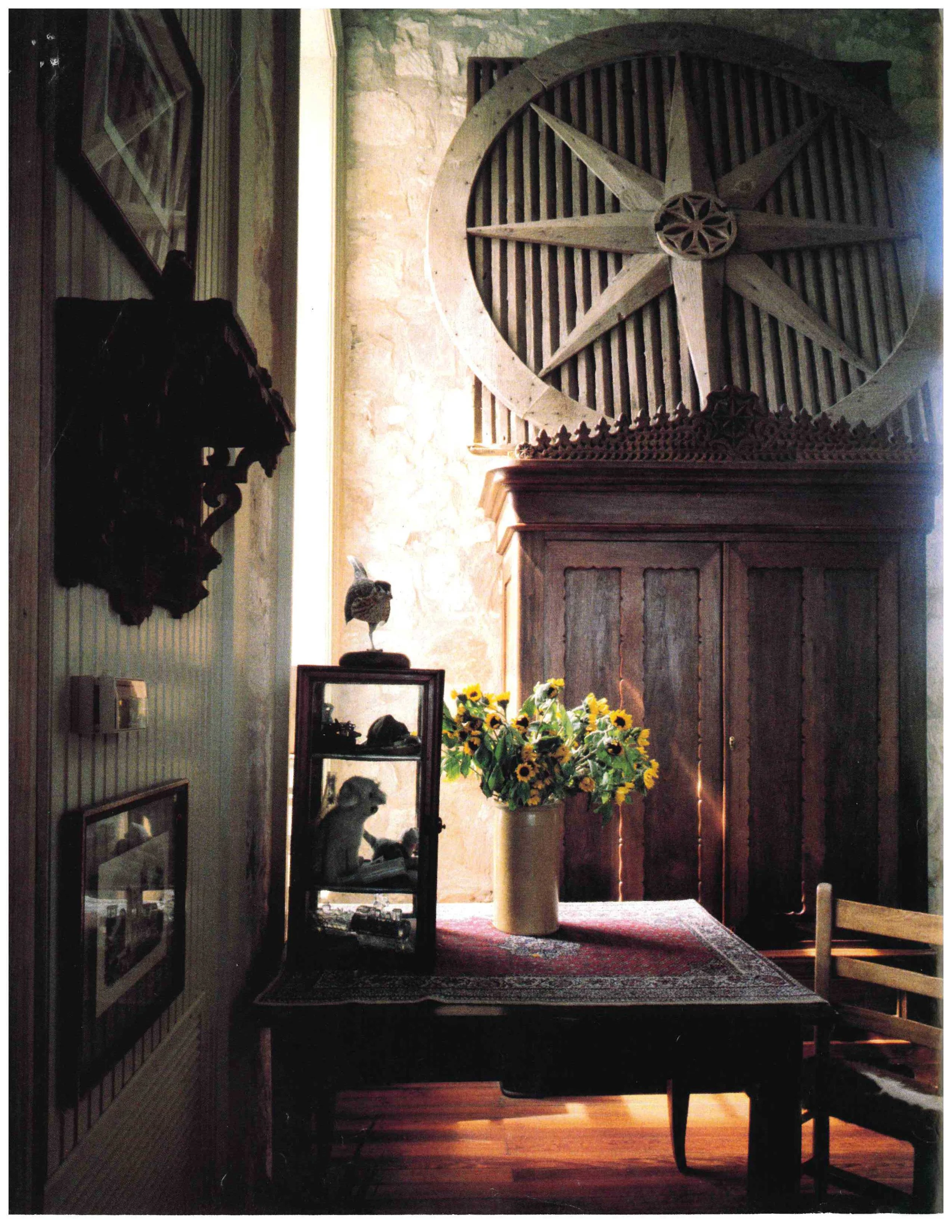
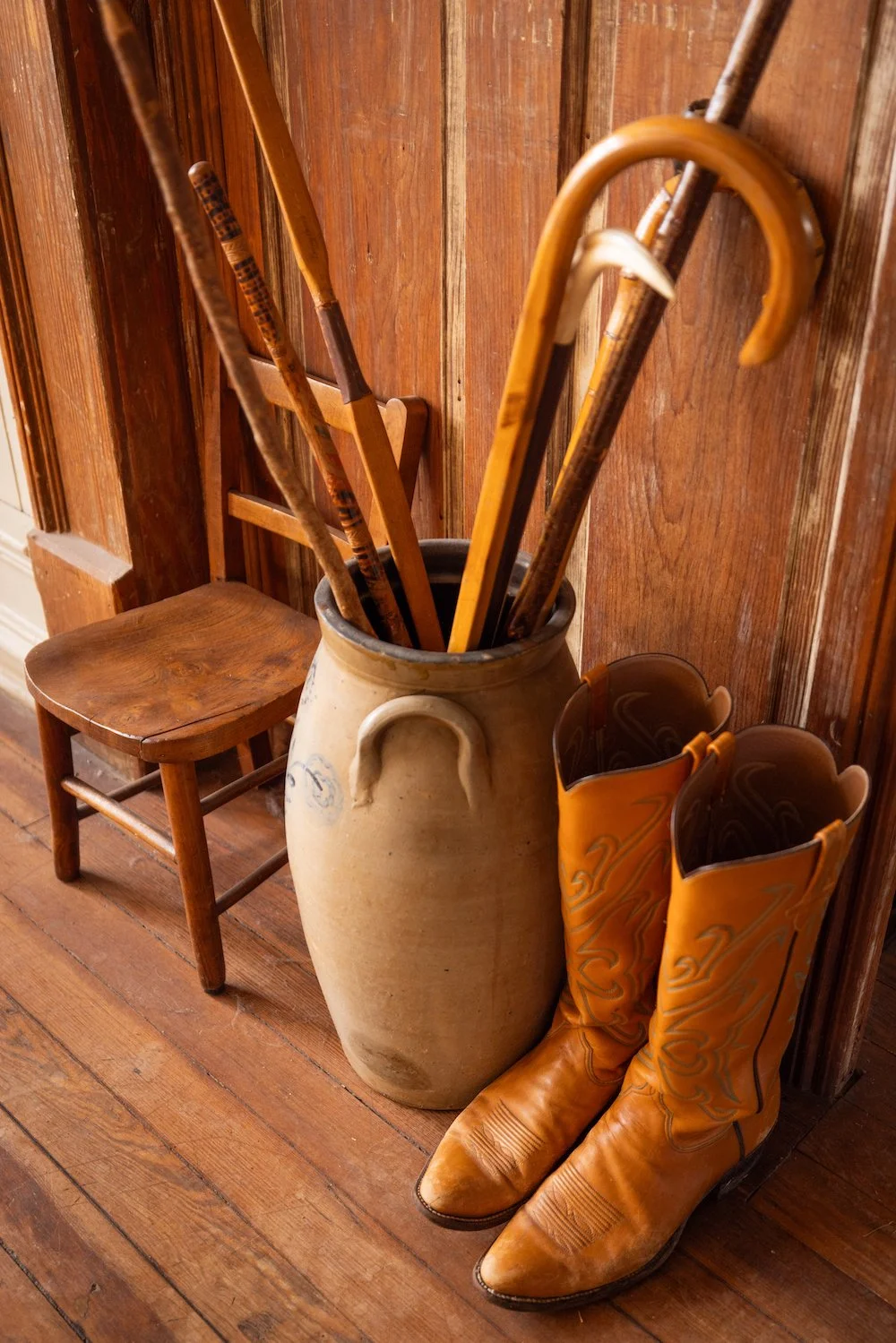
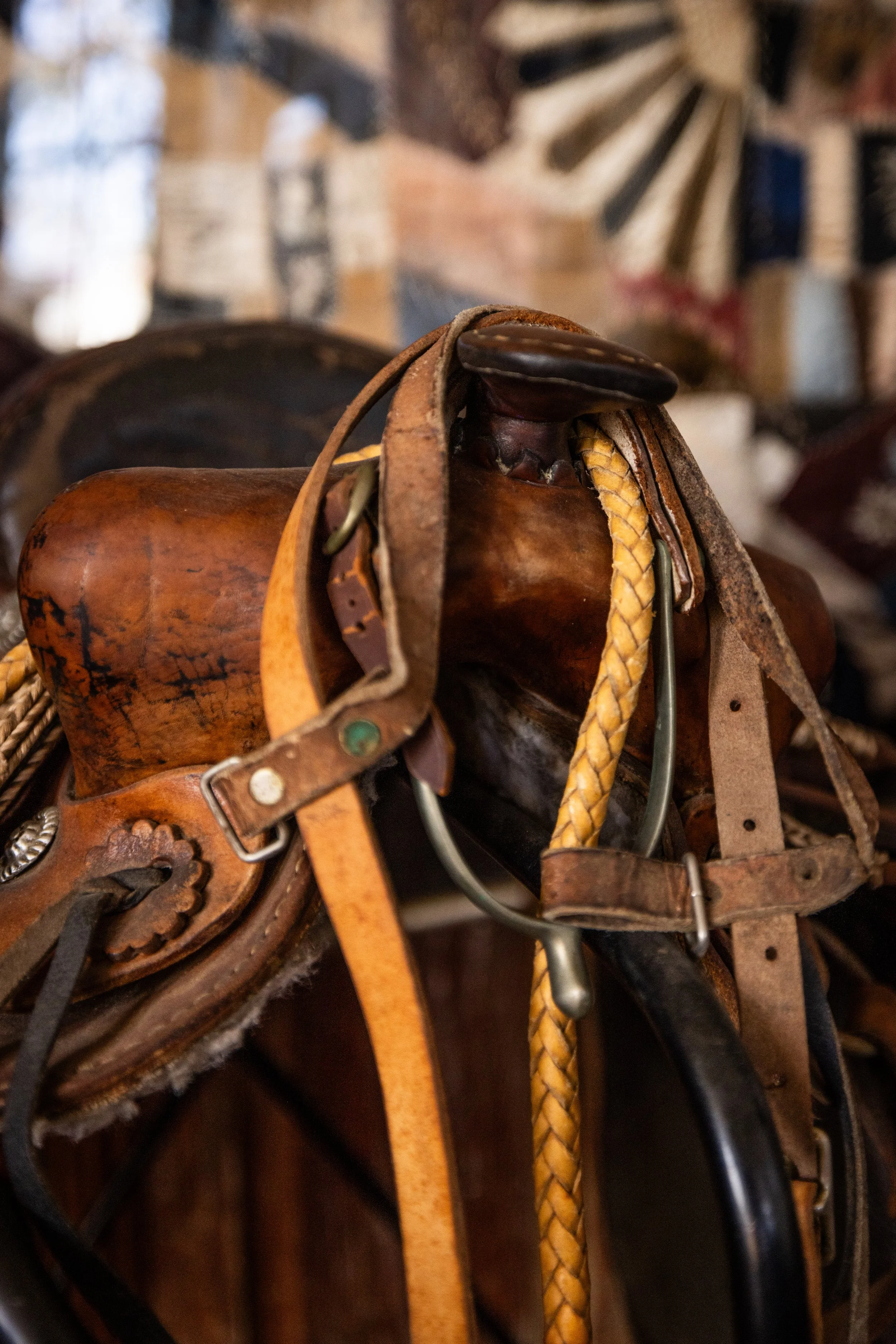
Left alone, massive 19th-century stone walls can feel foreboding, even imposing. Frances counteracted this architectural coldness through a brilliant, eclectic interior design strategy. She sourced décor both locally from Main Street antique shops in Fredericksburg and from curated spots across the country, grounding the interior in rich, earthen colors and prairie-style textiles.
Quilts became a central motif, serving a dual purpose: they hung from the walls as vibrant tapestries and draped over couches, chairs, and the foot of beds. This deliberate layering of textiles softened the stone, transforming an austere institution into an intimate, warm home.
The Illusion of the “Intuitive” Restoration
Decades have passed since the restoration project was completed in 1980. Today, when visitors step across the threshold, they are often swept up in an immediate sense of admiration. The layout feels natural, and the preservation choices seem completely intuitive.
There is, however, a profound difference between hindsight and foresight. What looks obvious in a beautifully restored home was neither easy nor apparent when staring at a rotting, boarded-up ruin in 1977.
True stewardship is incredibly difficult. It requires patience, capital, and a visionary willingness to embrace constraints. To understand just how rare Frances Billups’ vision was, one only has to look at the surrounding horizon: of the nearly 200 historic structures that once made up the old Morris Ranch, the vast majority are completely gone today, and the few survivors continue to decay.
The preservation of the Morris Ranch Schoolhouse is a stark reminder that history doesn’t survive by accident. It survives when individuals choose to become active caretakers of our collective past, proving that with enough respect and imagination, old stones can tell new stories for generations to come.